
For families comparing the best places to live near Fort Worth, the decision often comes down to more than a map. You may be weighing a shorter commute against a larger backyard, or established amenities against a quieter community with more room to grow. As you explore Risewell Homes in Dallas-Fort Worth, it helps to start with a clear question: does your family work best with suburban convenience, small-town charm, or a little of both?
The answer depends on how you want everyday life to feel. Some families want quick access to shopping, sports practices, healthcare, and major commuter routes. Others are drawn to less congestion, neighborhood traditions, and a setting where outdoor space feels easier to find. This guide compares both options so you can narrow your search with more confidence.
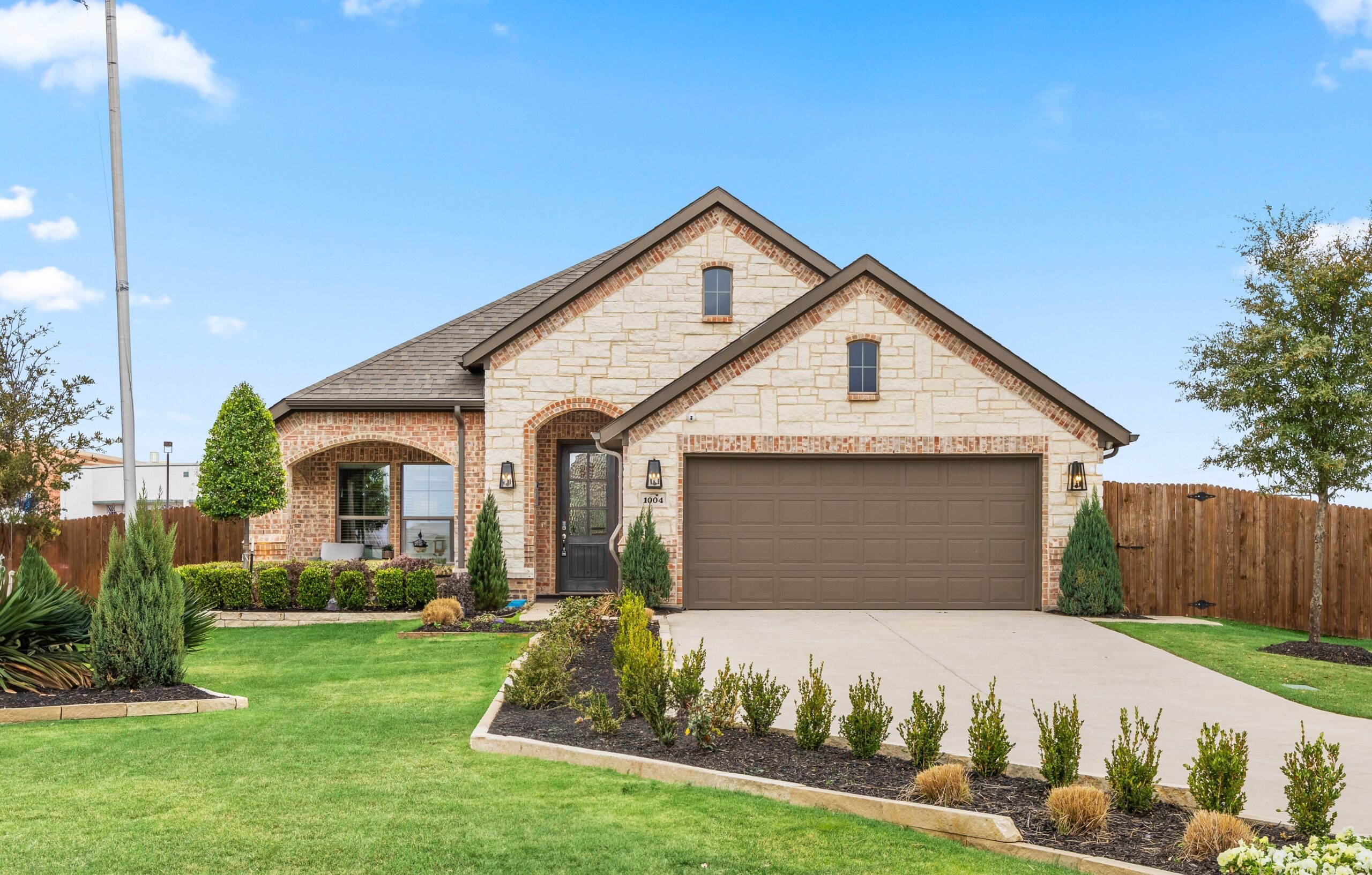
Every family has a different definition of the right community. For some, it means being close to work, school, childcare, and daily errands. For others, it means more room at home, quieter evenings, and a neighborhood where local routines feel familiar. The best choice is usually the one that fits the rhythm of your actual week, not just the one that looks good on paper.
Start by separating daily needs from nice-to-haves. Needs may include commute time, school access, monthly budget, enough bedrooms, or room for a home office. Nice-to-haves may include a larger yard, community amenities, nearby restaurants, or extra storage. Once those priorities are clear, it becomes easier to compare communities with a practical lens.
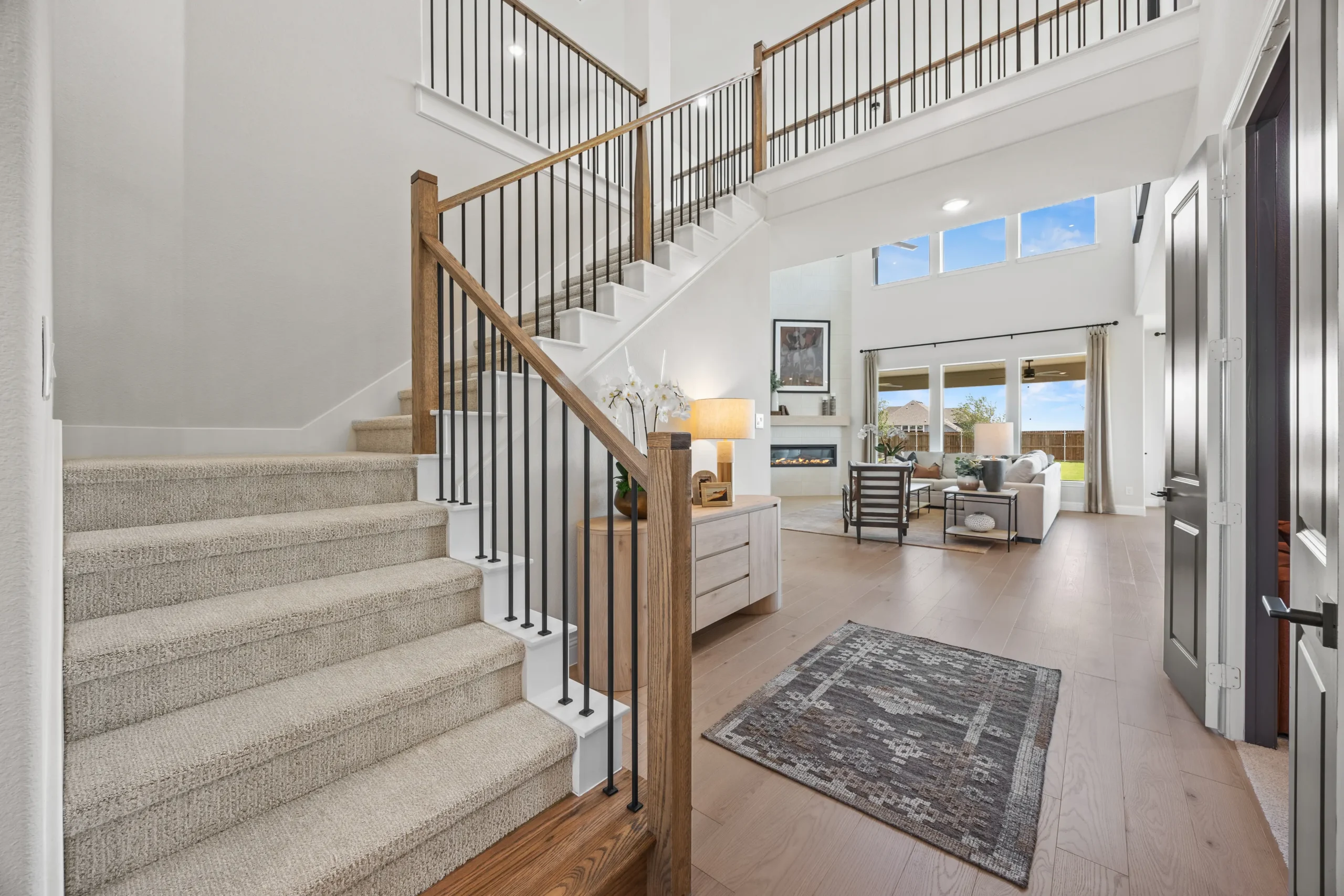
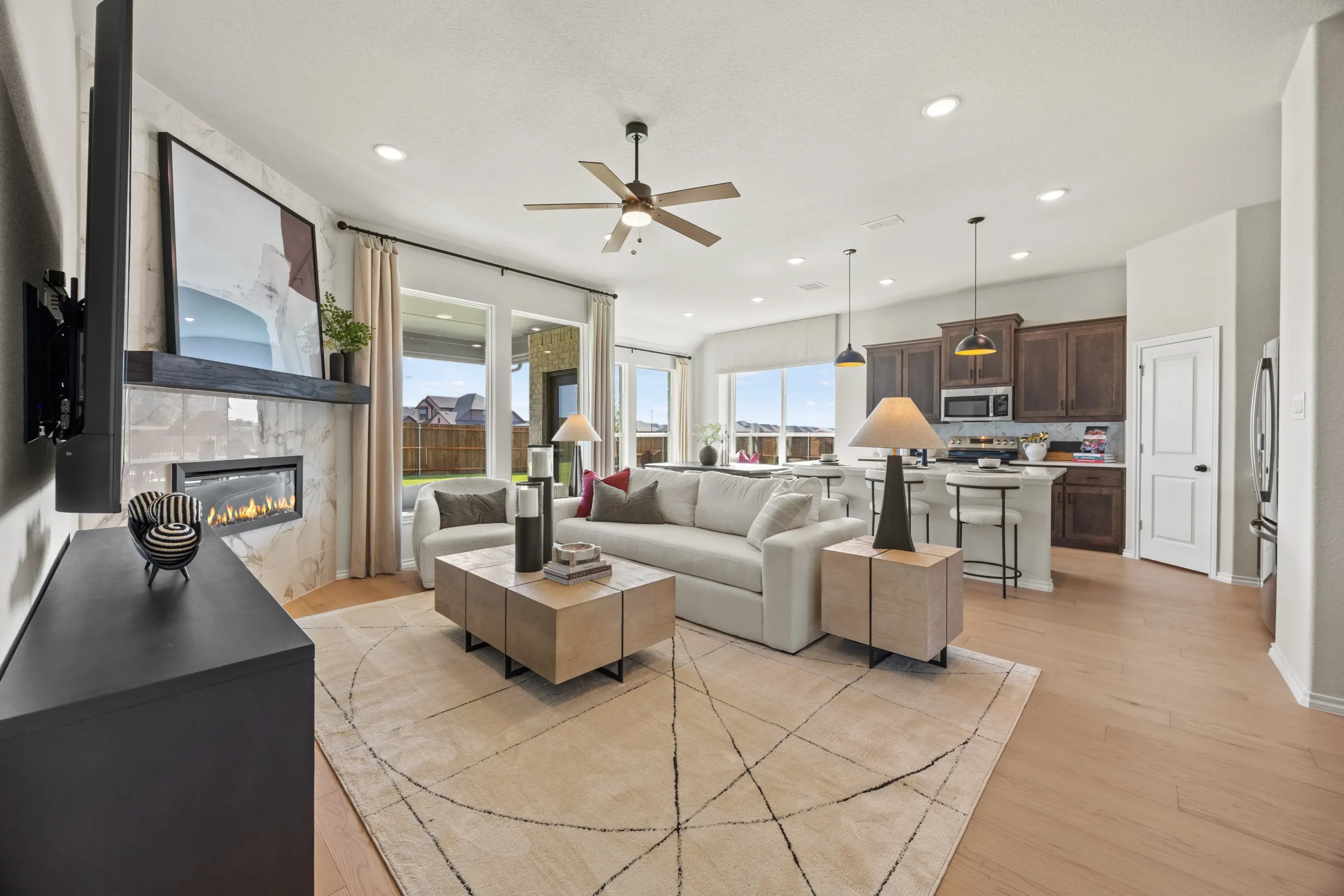
Comparing the suburbs of Fort Worth, TX, with small towns close to Dallas, Texas is really a comparison between daily convenience and overall pace. Fort Worth suburbs often put families closer to city amenities, employers, schools, healthcare, and highway access. Smaller towns near DFW can offer a more residential feel, more space for the price, and a stronger sense of local identity. Neither option is automatically better; the right fit depends on how your family lives.
Suburban living often appeals to families who want more residential comfort without feeling far from the services they use every day. A suburb can make routine tasks simpler, especially when schedules are full and time at home matters.
One of the clearest advantages of suburban living is proximity. Grocery stores, restaurants, childcare, medical offices, parks, fitness centers, and commuter routes are often close by. That can make a meaningful difference for families balancing work, school drop-offs, appointments, and weekend activities.
Access also matters for commuters. Suburban communities near Fort Worth can provide more direct routes to major employment centers while still offering a quieter residential setting than the urban core.
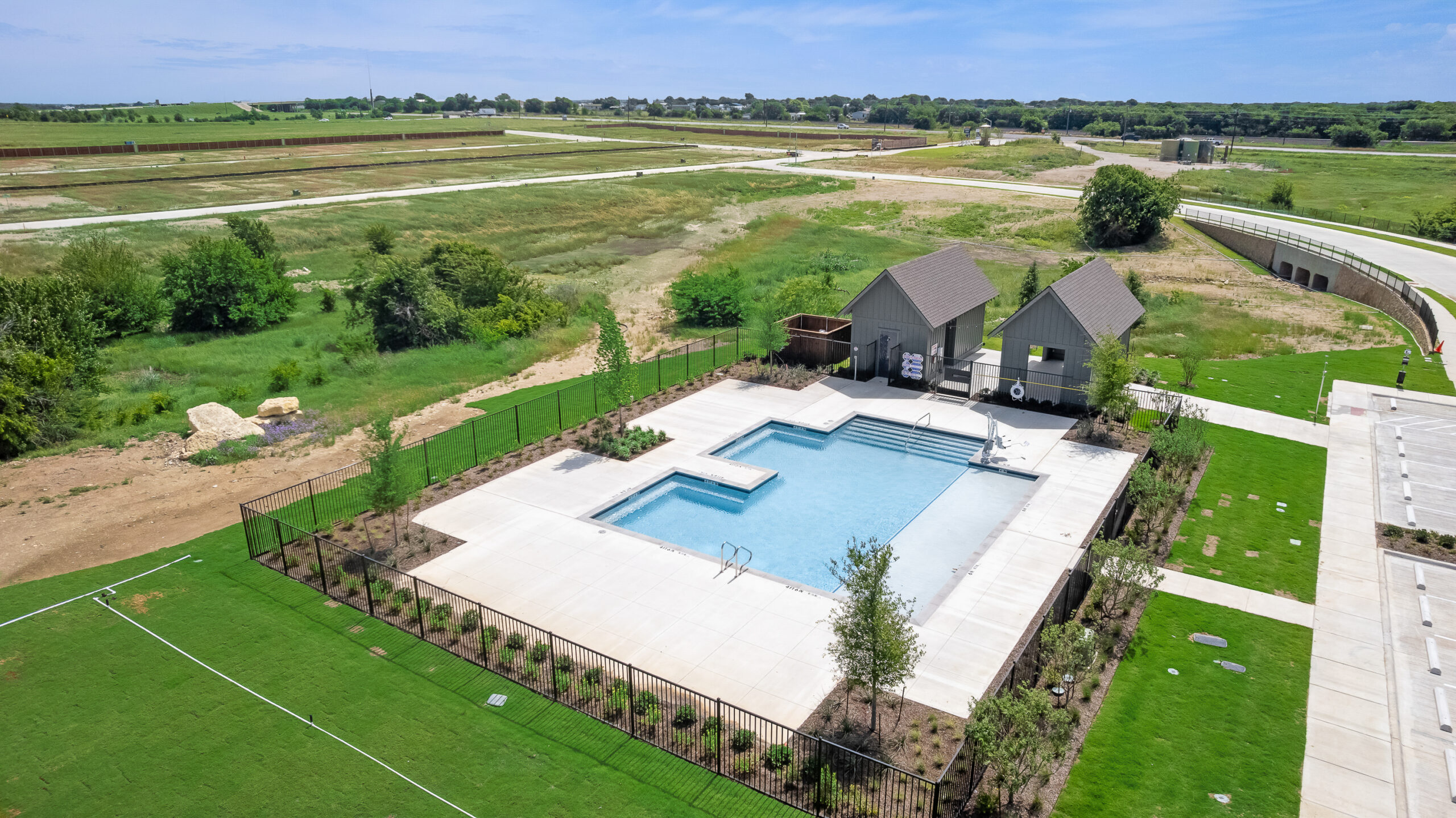
Suburbs can offer a wide range of housing choices, from established neighborhoods with mature trees to master-planned communities with pools, trails, playgrounds, and new construction homes. For buyers who want a modern floor plan, energy-efficient features, and fewer immediate maintenance concerns, new construction can be especially appealing.
For buyers who want to stay within Fort Worth while still enjoying a neighborhood setting, Summer Crest offers new homes with convenient access to Chisholm Trail Parkway and I-35W. Nearby destinations include the Chisholm Trail Community Center, Park and Skate Park and the Shops at Chisholm Trail Ranch, giving residents access to recreation, shopping and dining close to home.
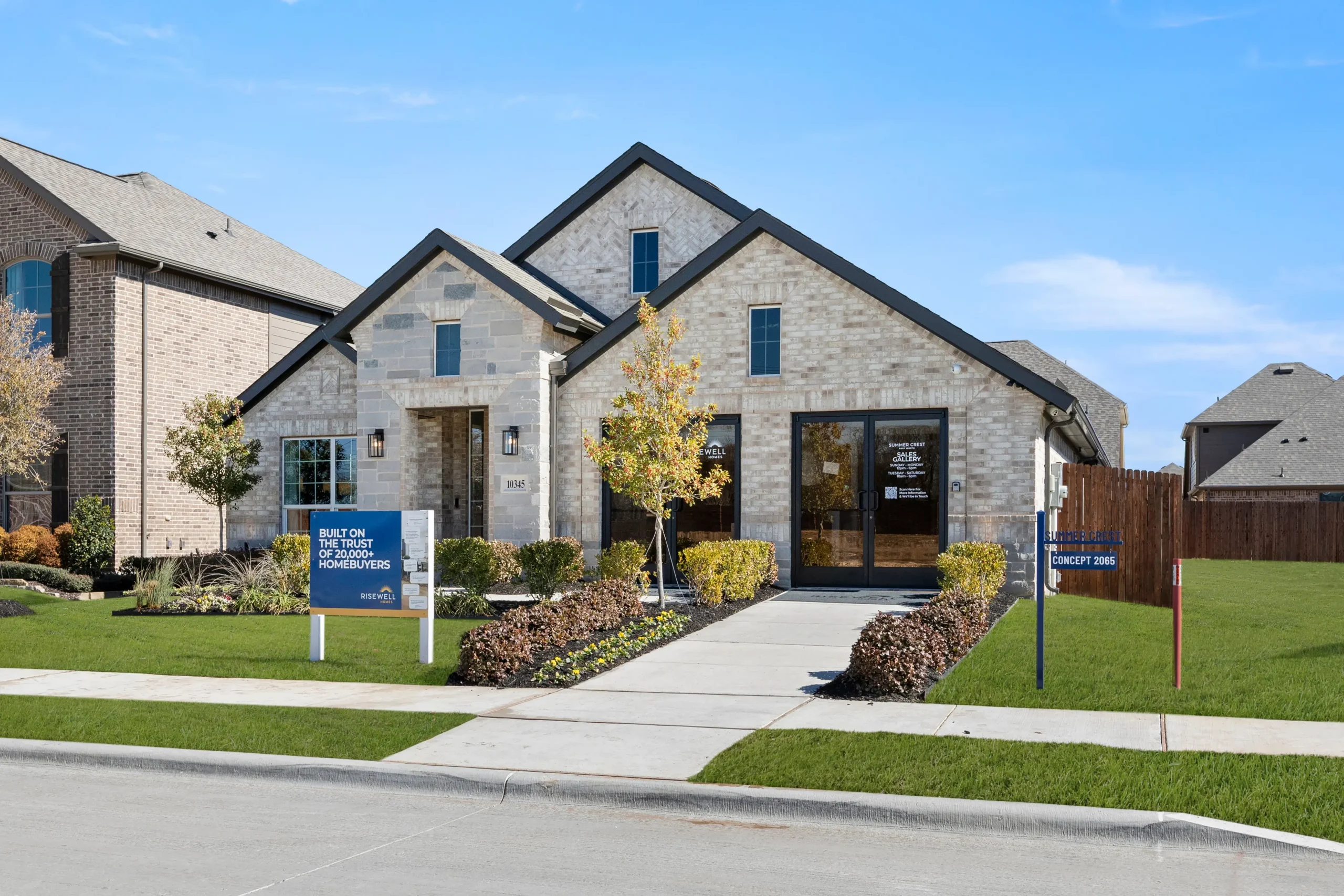
A Fort Worth suburb may make the most sense if your family needs shorter drives, more services nearby, or easier access to city amenities. It may also be the better fit if your week depends on childcare, extracurricular activities, healthcare appointments, or frequent trips across the Metroplex.
Small-town living can be compelling for families who want daily life to feel less crowded and more rooted. The appeal is not just quiet streets. It is the combination of room to grow, local familiarity, and a setting where home life can take up more space.

Many smaller communities near Dallas-Fort Worth give buyers a chance to consider larger homesites, more outdoor space, and neighborhoods that feel less dense. That extra room can matter for growing families, pets, hobbies, storage, and outdoor living.
Small towns often build community through school activities, local businesses, sports, seasonal events, and familiar faces. For families who value connection and routine, those touchpoints can make a town feel like home more quickly.

A smaller town may be the right choice if your family values more breathing room, quieter surroundings, and a closer connection to local traditions. It can also make sense if you work remotely or hybrid, do not need to commute daily, or are willing to trade immediate convenience for a more relaxed home environment.
Risewell Homes offers new-home options in several communities south of Fort Worth, including Cleburne, Crowley and Joshua. Each offers a different mix of space, convenience and small-town character for buyers comparing where to live near the city.
For buyers exploring new homes in Cleburne, TX, Chisholm Hills is in its final opportunity phase, with two featured homes currently available. The neighborhood includes an on-site pond, playground and trails, plus quick access to the Chisholm Trail, creating a balance of outdoor amenities and connectivity to the Fort Worth area.
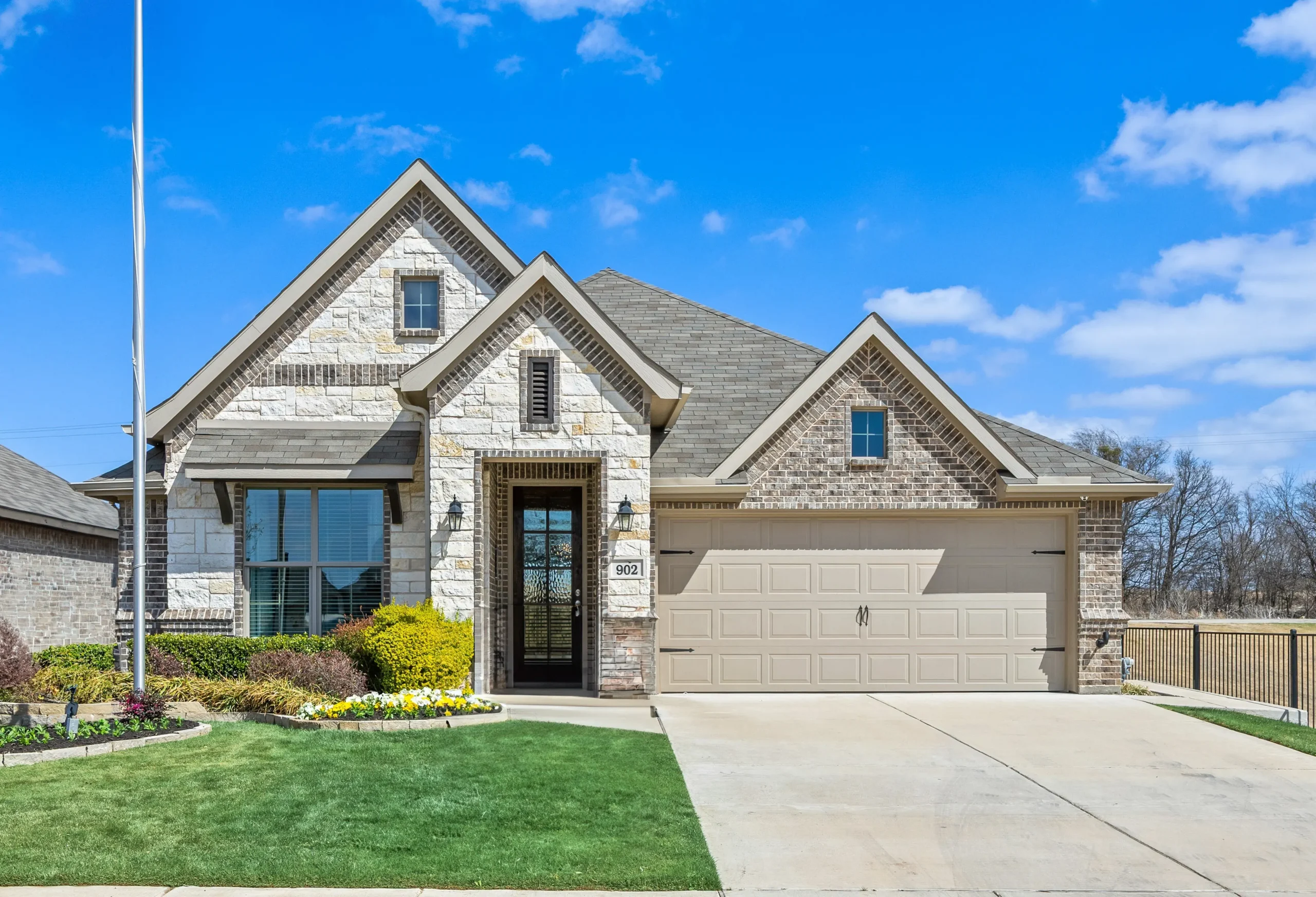
Buyers looking for new homes in Crowley, TX can explore Hunters Ridge, where homes start in the low $300s. Floor plans range from 1,790 to 2,847 square feet with three to four bedrooms, and community highlights include onsite amenities, 60-foot lots and select three-car garage options.
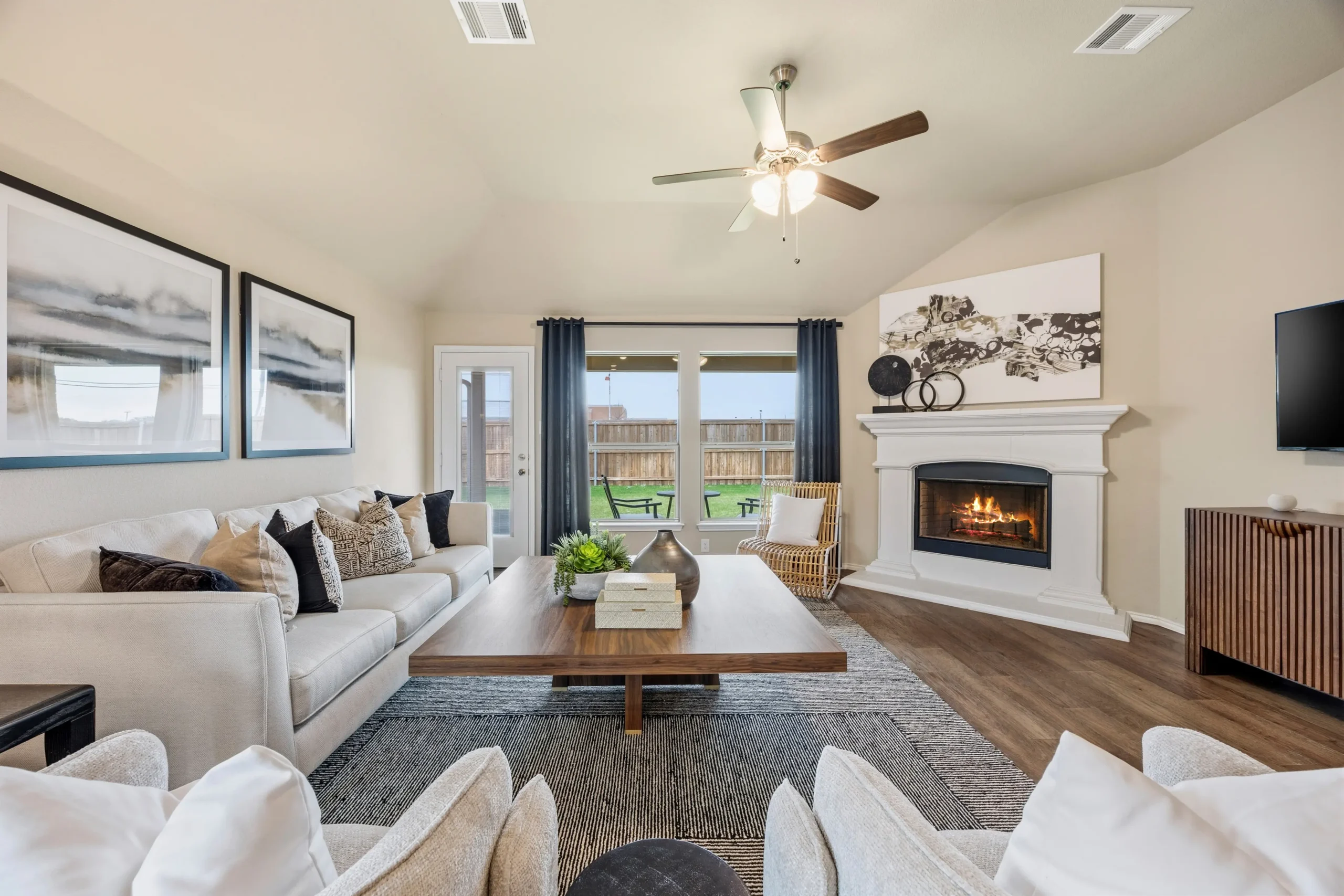
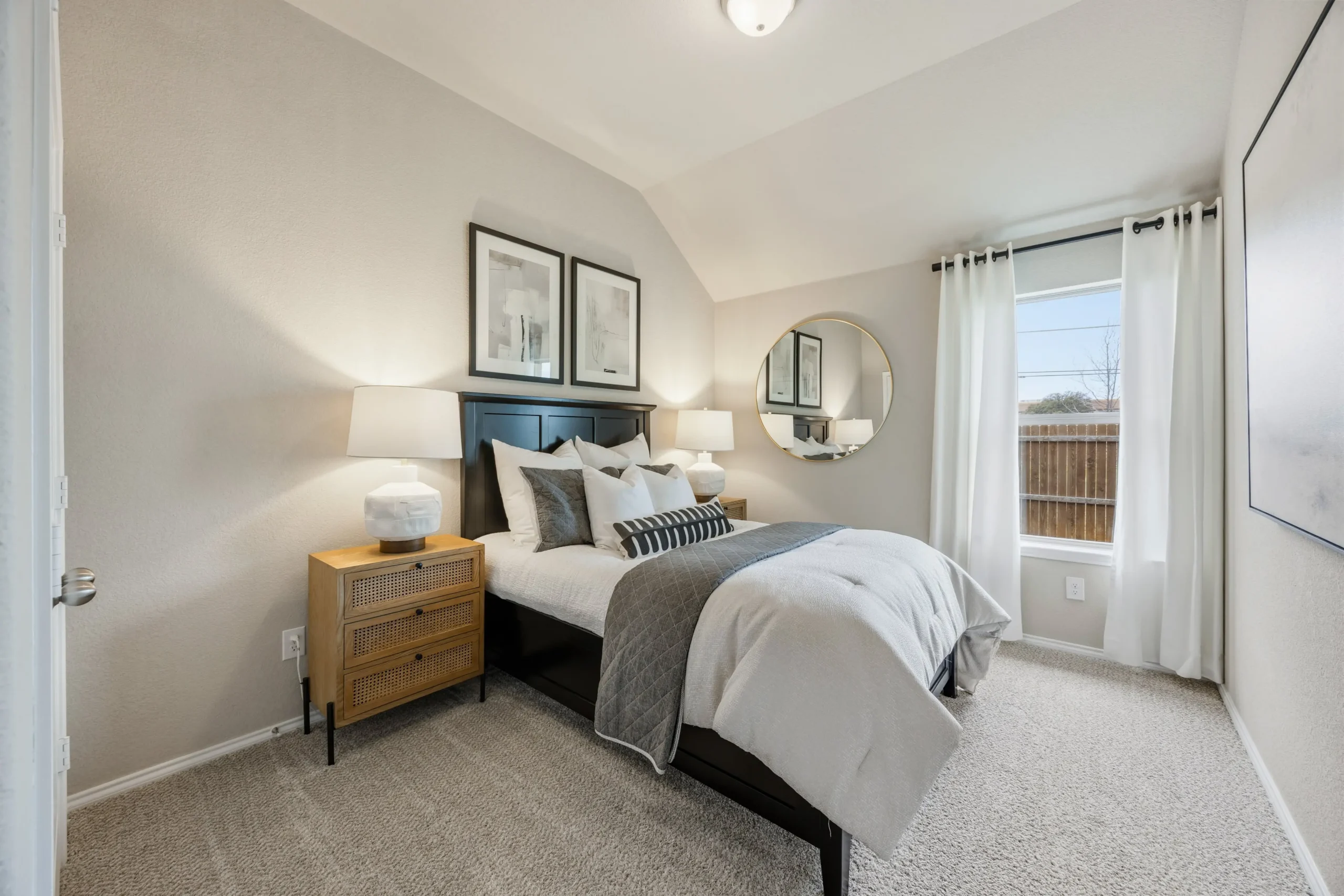
For buyers considering new homes in Joshua, TX, Mockingbird Hills offers a small-town setting with spacious homesites, energy-efficient homes and convenient access to Chisholm Trail Parkway and FM 917. The community is located in Joshua ISD and gives buyers room to spread out while staying connected to the greater Fort Worth area.
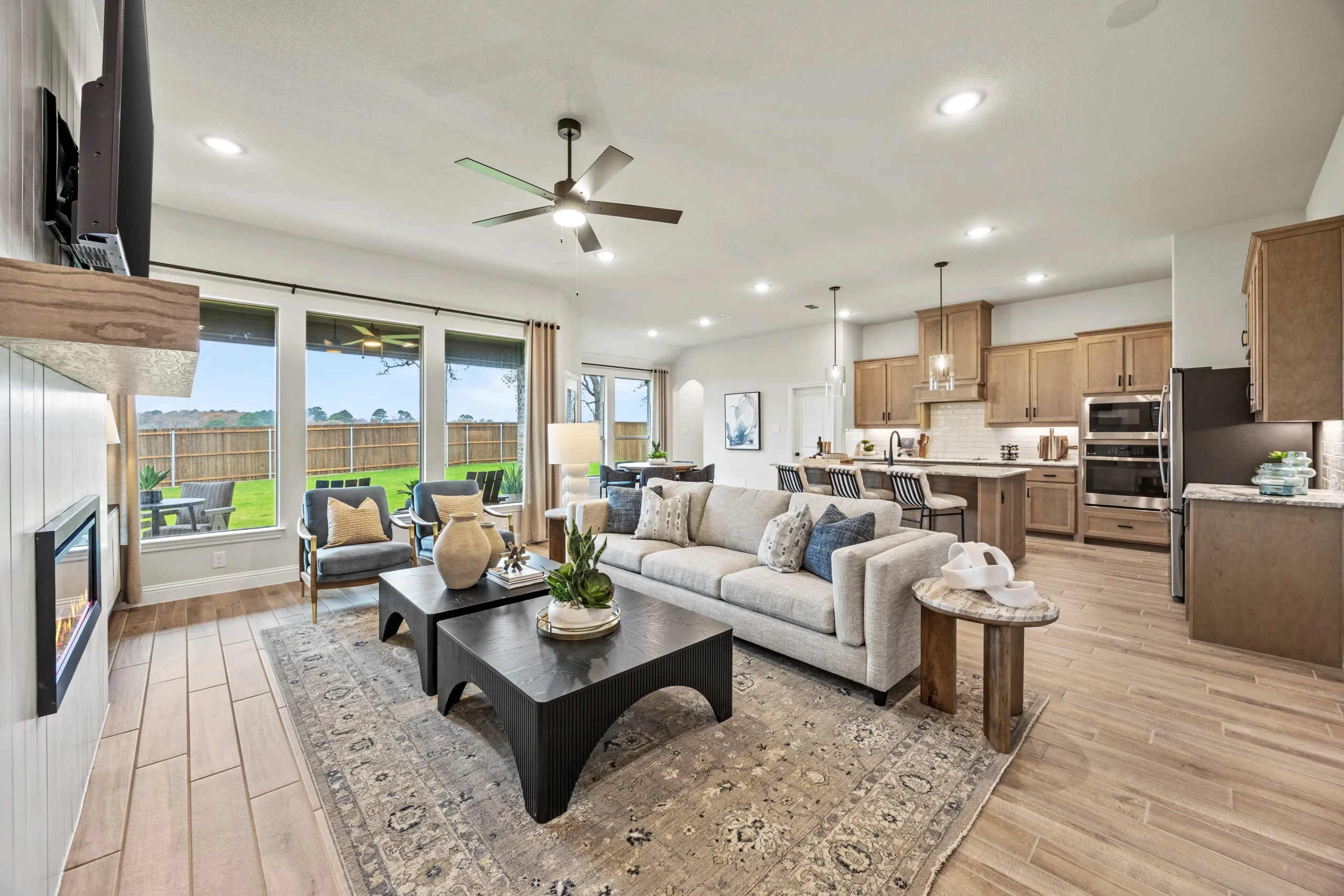
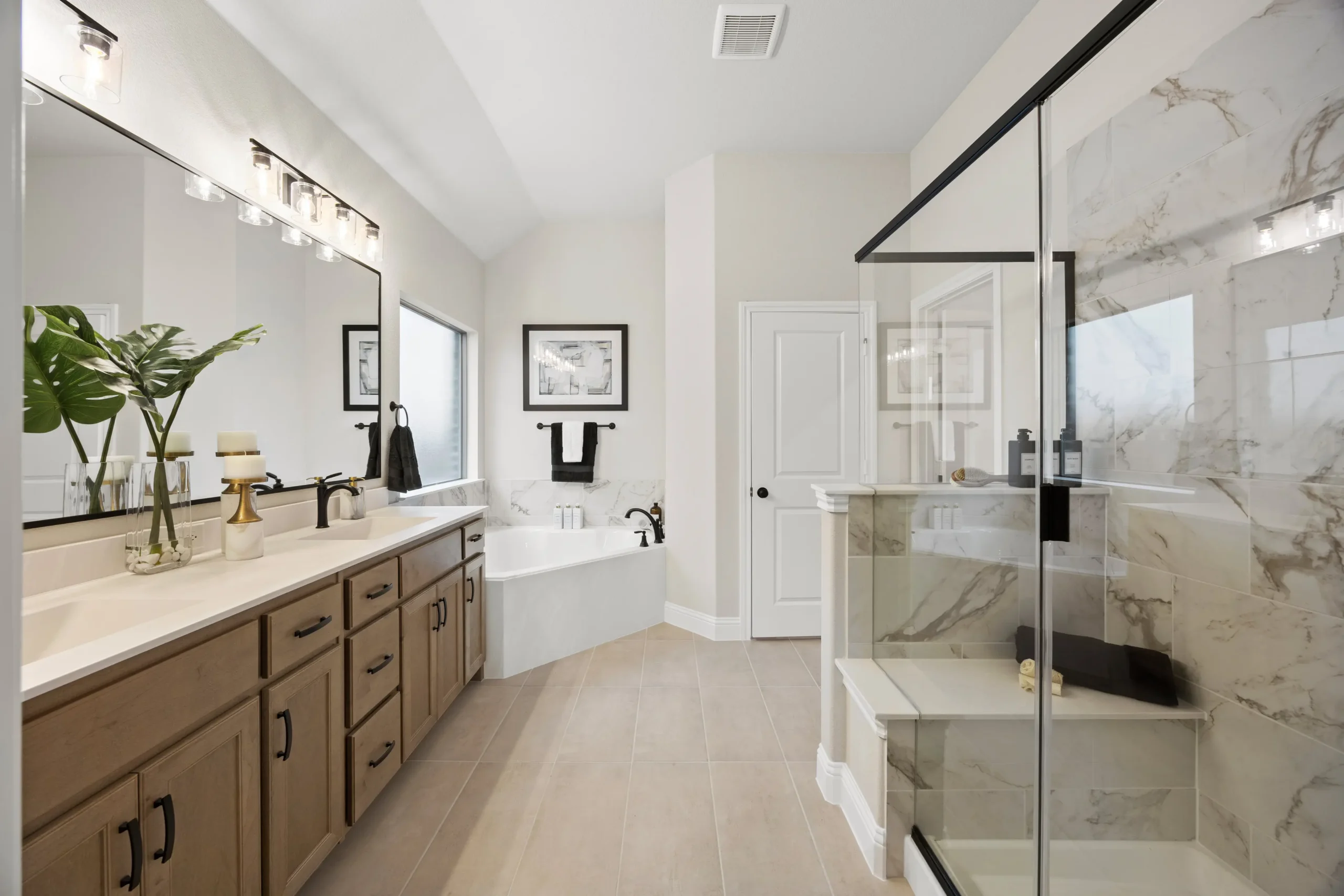
Choosing a community is easier when you test the decision against real life. Before narrowing your search, look beyond the house itself and think about the routines that will shape your days.
Map the routes you will actually use: work, school, childcare, grocery stores, sports practices, medical appointments, and family visits. Try checking drive times at the times of day you would normally travel. A location that feels close on a weekend may feel different during a weekday commute.
School districts, childcare options, parks, recreation centers, libraries, sports programs, and community activities all influence daily life. Make a short list of the family resources you expect to use most often and compare how accessible they are from each community.

Think about the home you need now and the home you may need in five years. Consider square footage, bedroom count, lot size, storage, outdoor space, monthly payment, and the long-term growth of the surrounding area. The right community should support your current lifestyle while leaving room for what comes next.
There is no single best place to live near Fort Worth for every family. The better question is which setting makes your daily life easier, more comfortable, and more aligned with what you want home to feel like.
|
Factor |
Suburban Living |
Small-Town Charm |
|
Commute |
Often closer to major employers and commuter routes. |
May require longer drives, depending on work location. |
|
Amenities |
More nearby shopping, dining, healthcare, and childcare. |
Fewer options immediately nearby, but often enough for daily needs. |
|
Space |
More space than the city core, with a wide range of lot sizes. |
Often more room to spread out and enjoy outdoor living. |
|
Community Feel |
Can vary by neighborhood and community design. |
Often more familiar, local, and tradition-focused. |
|
Best Fit |
Families prioritizing convenience and access. |
Families prioritizing room, quiet, and local connection. |
Visit communities at different times of day, test the drives that matter most, compare budget and home size, and talk through what your family needs now versus later. Once you have a clearer picture, explore available homes with Risewell and start narrowing your search with confidence.
Once you understand the lifestyle fit, the next step is comparing available homes and communities. Risewell Homes offers thoughtfully designed new homes across Texas, allowing buyers to compare locations, floor plans, and community features in one place.
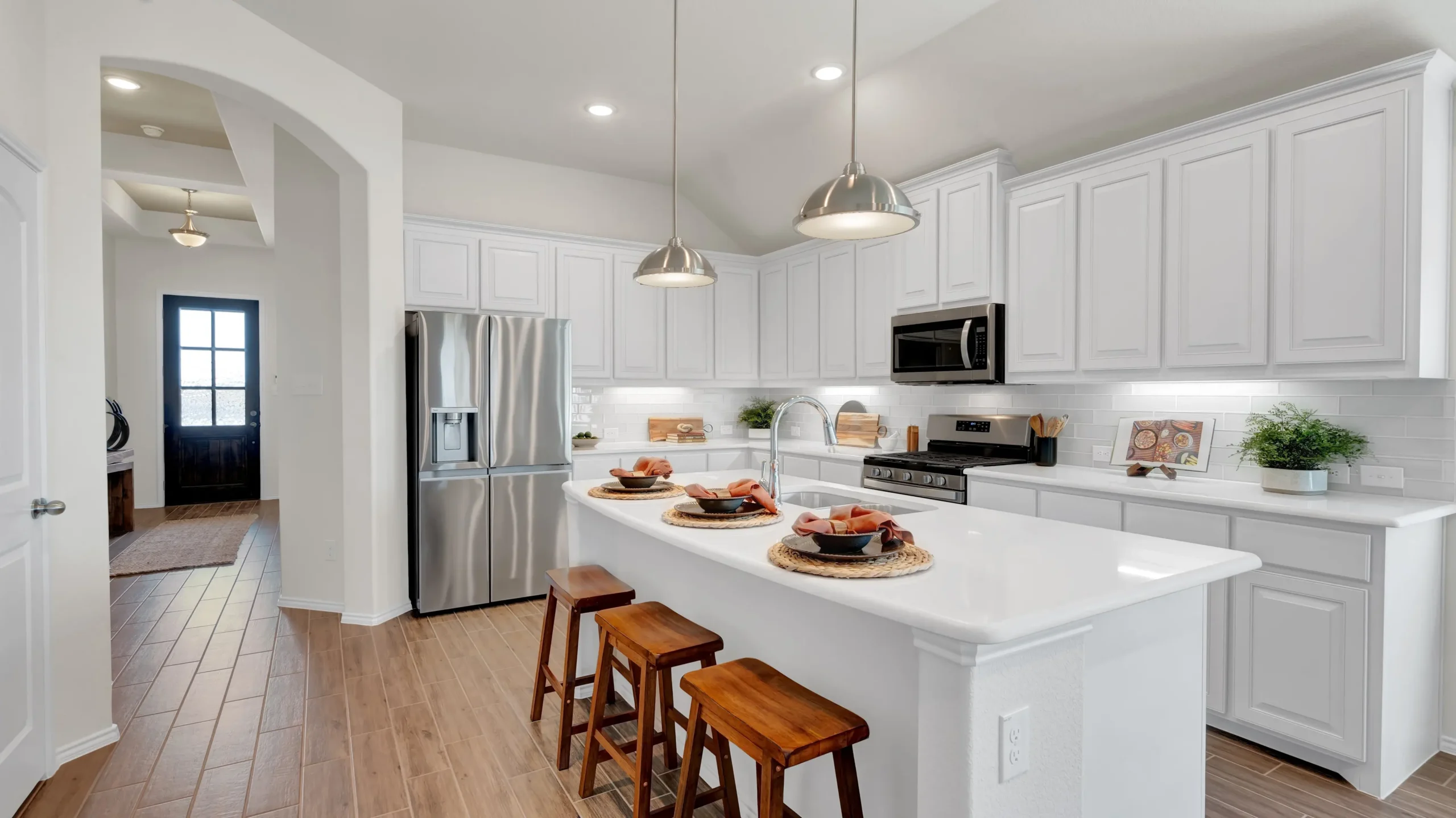
The Risewell Homes Texas page is a helpful starting point for comparing regions, communities, floor plans, and available homes. Whether your family is drawn to a suburb, a smaller town, or a community that blends both, it can help you see what is available across the state. If you are looking for a new home near Fort Worth, speak with our online sales counselors today.
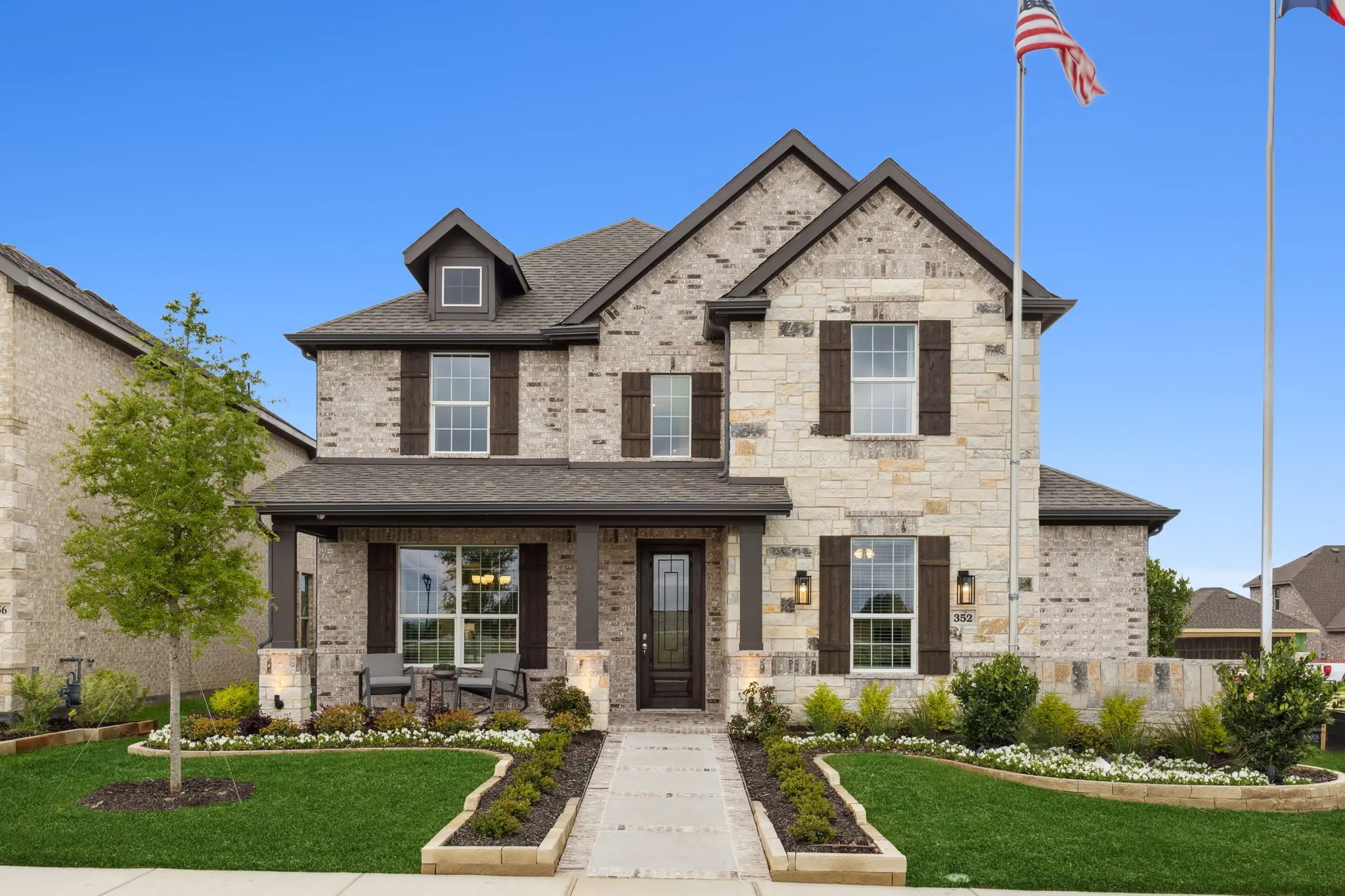
For a more focused search, use the Risewell New Home Finder to browse locations, compare home options, and narrow your list based on what matters most to your family.
Search our neighborhoods, city, or state: