
Modern home design is not only about appearance. The most useful modern home features support the routines that happen every day: carrying in groceries, preparing meals, finding a quiet place to work, keeping common areas organized and moving between indoor and outdoor spaces.
A home can look current and still create friction if the storage is in the wrong place or busy paths cross each other. Functional home design starts with how people use the space, then considers the layout, lighting, technology and details that can make those routines easier.
Functional home design is about more than having enough space. It’s the relationship between a home’s layout, storage, lighting, technology, comfort, and the way each space is used. A beautiful kitchen becomes more useful when the pantry is within easy reach. A home office works better with the right balance of privacy and natural light.
The best modern home features often work quietly in the background. They shorten a recurring path, give frequently used items a logical home or make it easier for different activities to happen at the same time.
Before focusing on finishes or square footage, think about how you move through a typical day. Where do you drop your keys? Where do backpacks collect after school? How far do groceries travel from the garage to the kitchen? Is there somewhere to sit with a laptop or help with homework?
Looking at a floor plan through the lens of these routines can reveal whether a home truly fits your life, not just whether it looks good on paper.
Modern design does not require every finish to follow the latest trend. Paint colors and decorative materials can change, while efficient circulation, well-placed storage, flexible rooms and useful lighting can continue to serve a household for years. Focus first on the parts of the home that are difficult or costly to change later.
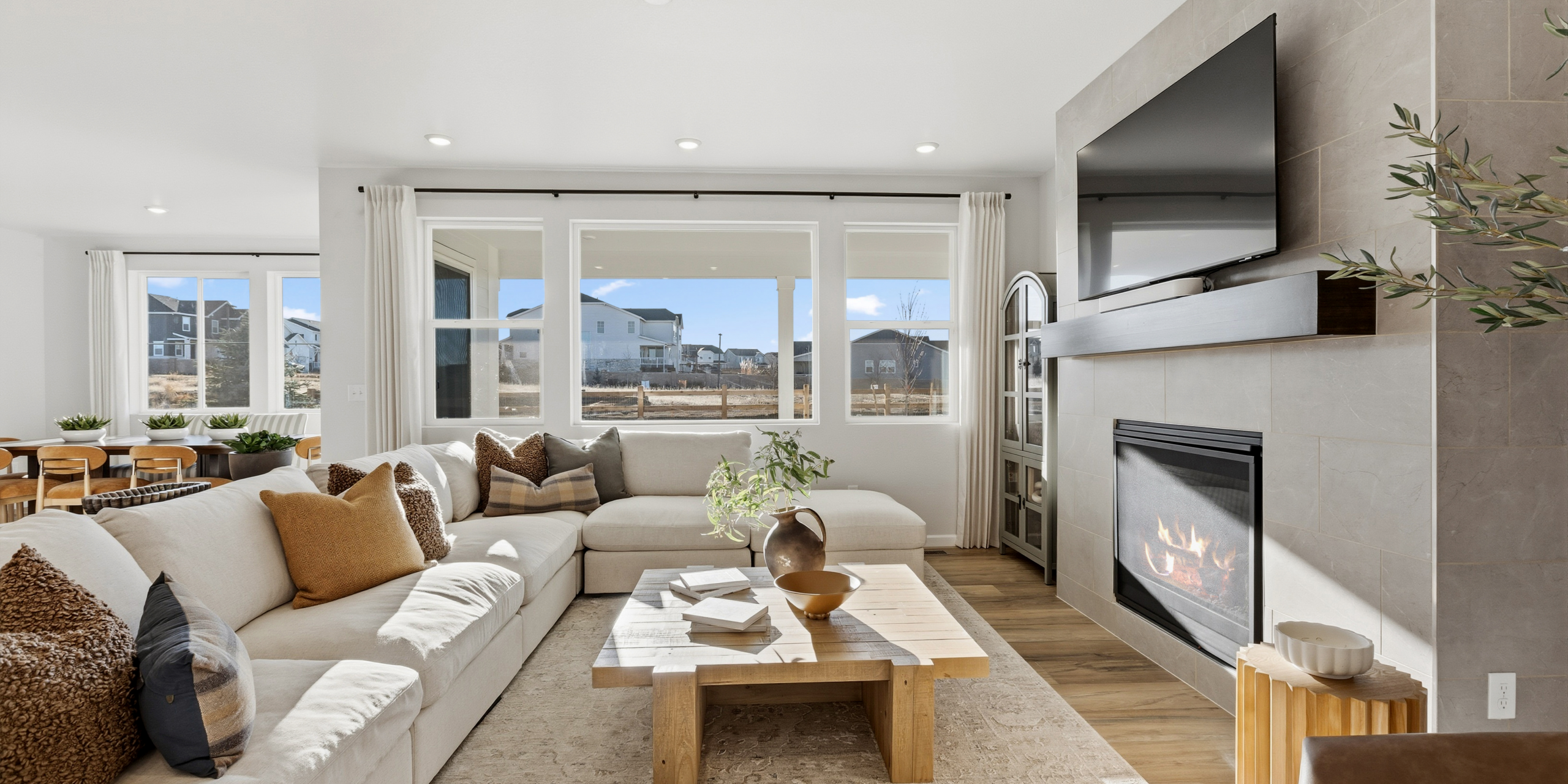
A kitchen that connects naturally to dining and living areas can make conversation, supervision and hosting easier. Someone preparing dinner can remain part of what is happening in the next room, while guests can move through the shared spaces without crowding one narrow path.
The goal isn’t simply to open up every square foot. It’s to find a balance between openness and definition, giving each area a purpose while allowing the home to feel connected.
An open plan should still make it clear where activities belong. An island can define the kitchen, a dining table can anchor the eating area and furniture placement can establish a conversation zone. Lighting, ceiling details and room proportions can reinforce those boundaries without closing off the view.
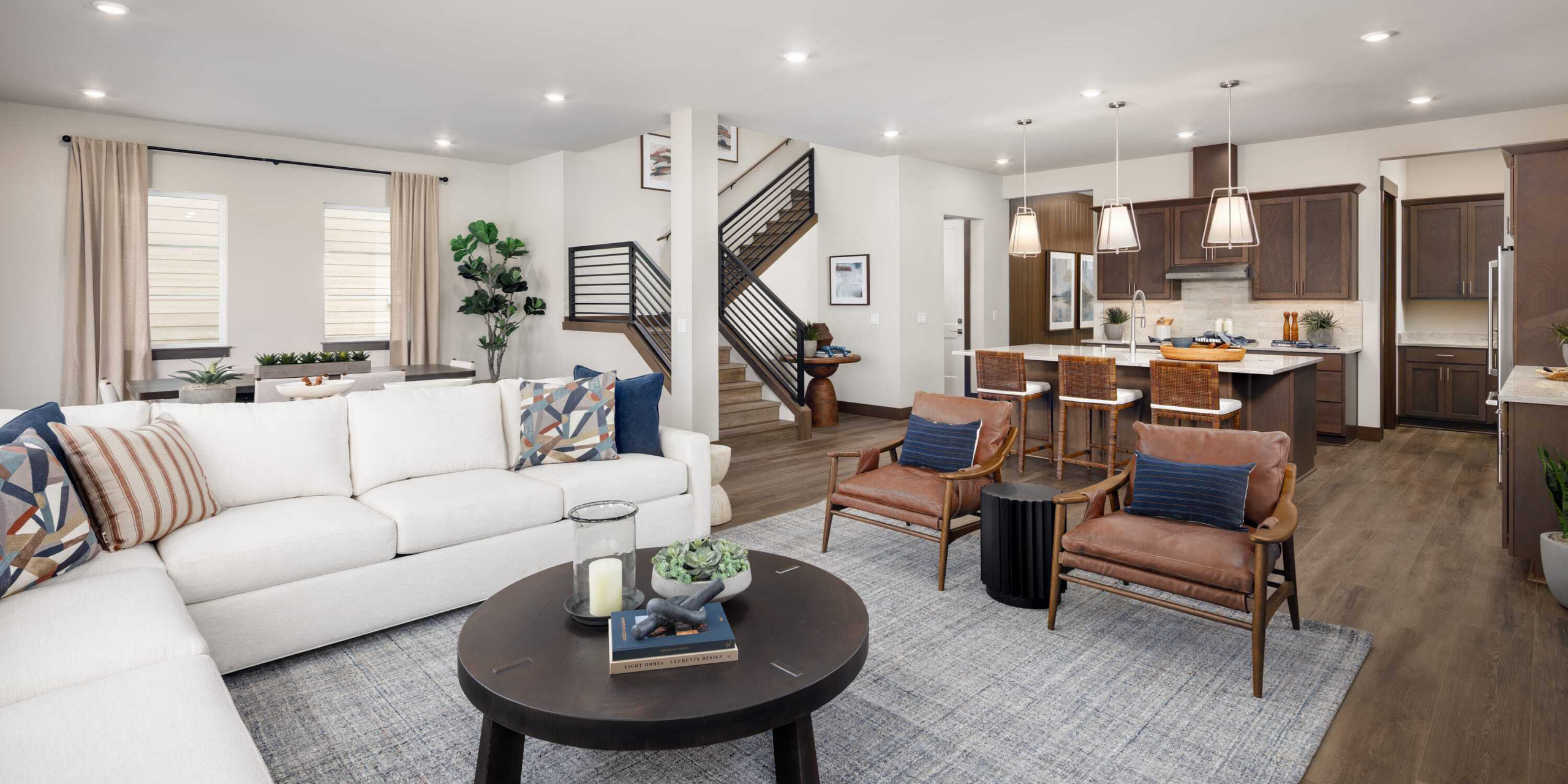
A home’s layout can either add steps to your routine or take them away. Convenient paths between the entry, kitchen, pantry, laundry area, bedrooms, and outdoor spaces can make recurring tasks feel more straightforward.
Consider the route groceries take from the car to the pantry, or how easily laundry can move from bedrooms to the washer and back again. Even access to outdoor spaces matters. A well-placed door from a shared living area to a patio or yard can make it easier to step outside for morning coffee, playtime, or dinner.
Connection is important, but so is having somewhere to retreat. Bedrooms positioned away from busy areas can create a quieter environment for sleep, while a dedicated office, flex space, or comfortable nook can provide room for focused work, schoolwork, or downtime.
Good home design for everyday living leaves room for both togetherness and solitude.
Storage works best when it is close to where items enter the home or are used. Entry storage can collect shoes, bags and jackets before they reach the kitchen counter. A pantry keeps food near the kitchen, while linen and laundry storage can reduce back-and-forth trips through the house.
Capacity matters, but access matters just as much. Shelves that are easy to reach, clear zones for daily essentials and enough space to put items away can make storage more useful than a larger area with no plan.
Windows can make rooms feel brighter and more open while providing views to a patio or yard. Their placement matters: daylight should support the way a room is used without creating glare where someone works, cooks or watches a screen.
Pair daylight with task and ambient lighting so the room remains useful after sunset. Easy access between shared living areas and outdoor spaces can also extend everyday routines, whether that means eating outside, watching children play or taking a quiet break on the patio.
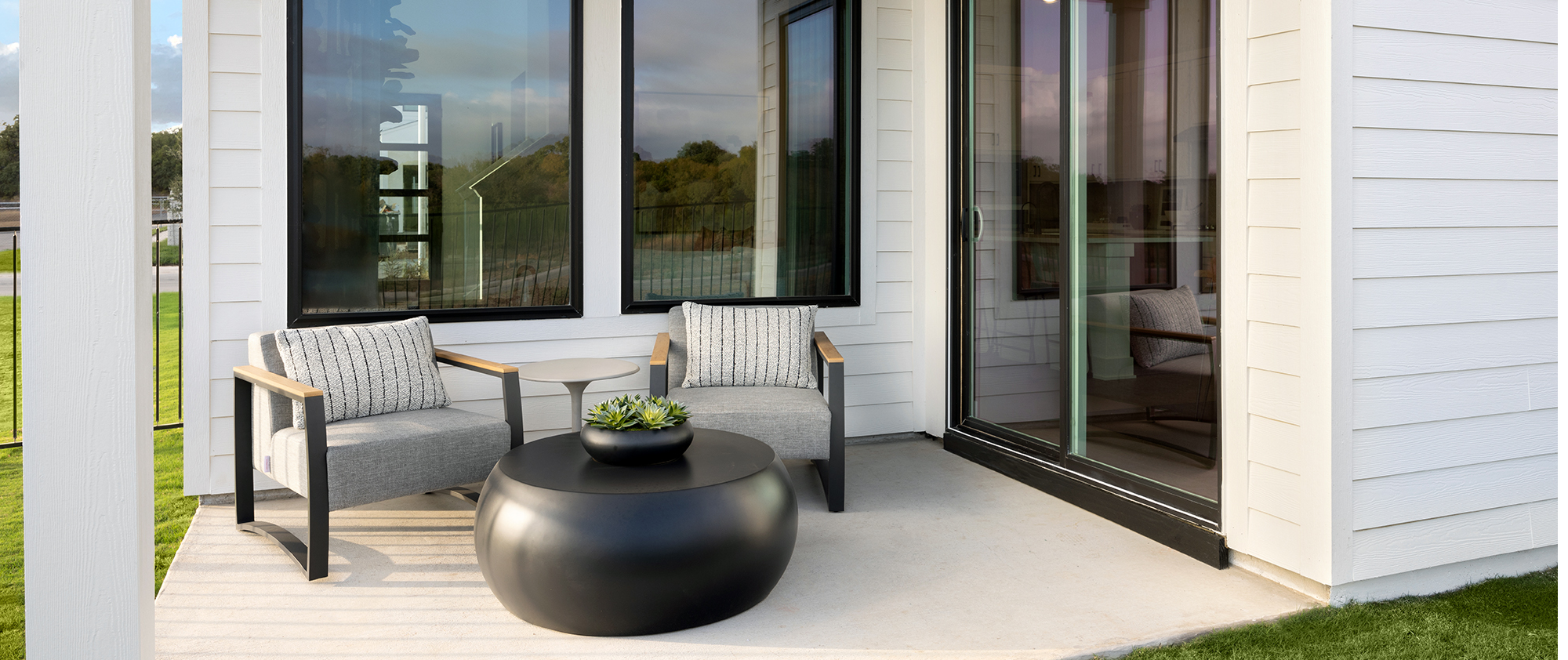
Connected controls can make it easier to manage lighting, temperature, security and other household systems. Energy-conscious systems and wellness-oriented features may also support comfort and day-to-day efficiency, depending on the home and available options.
The best technology should feel almost invisible. It works reliably, is intuitive to use, and solves a genuine need.
When comparing new construction home features, prioritize systems that simplify something you do often. A practical feature that supports a daily routine may offer more value than a highly visible addition that is rarely used.
Walk through a typical weekday and weekend in your mind. Note where people enter, how their paths overlap, where household items accumulate and which activities need quiet or separation. Use those observations to distinguish must-haves from preferences.
As you compare homes, evaluate the complete floor plan rather than judging rooms in isolation. A larger space is not automatically more functional if the connections between rooms do not support your routine. Features, finishes, options and programs vary by Risewell home and community, so confirm what is available in the homes you are considering.
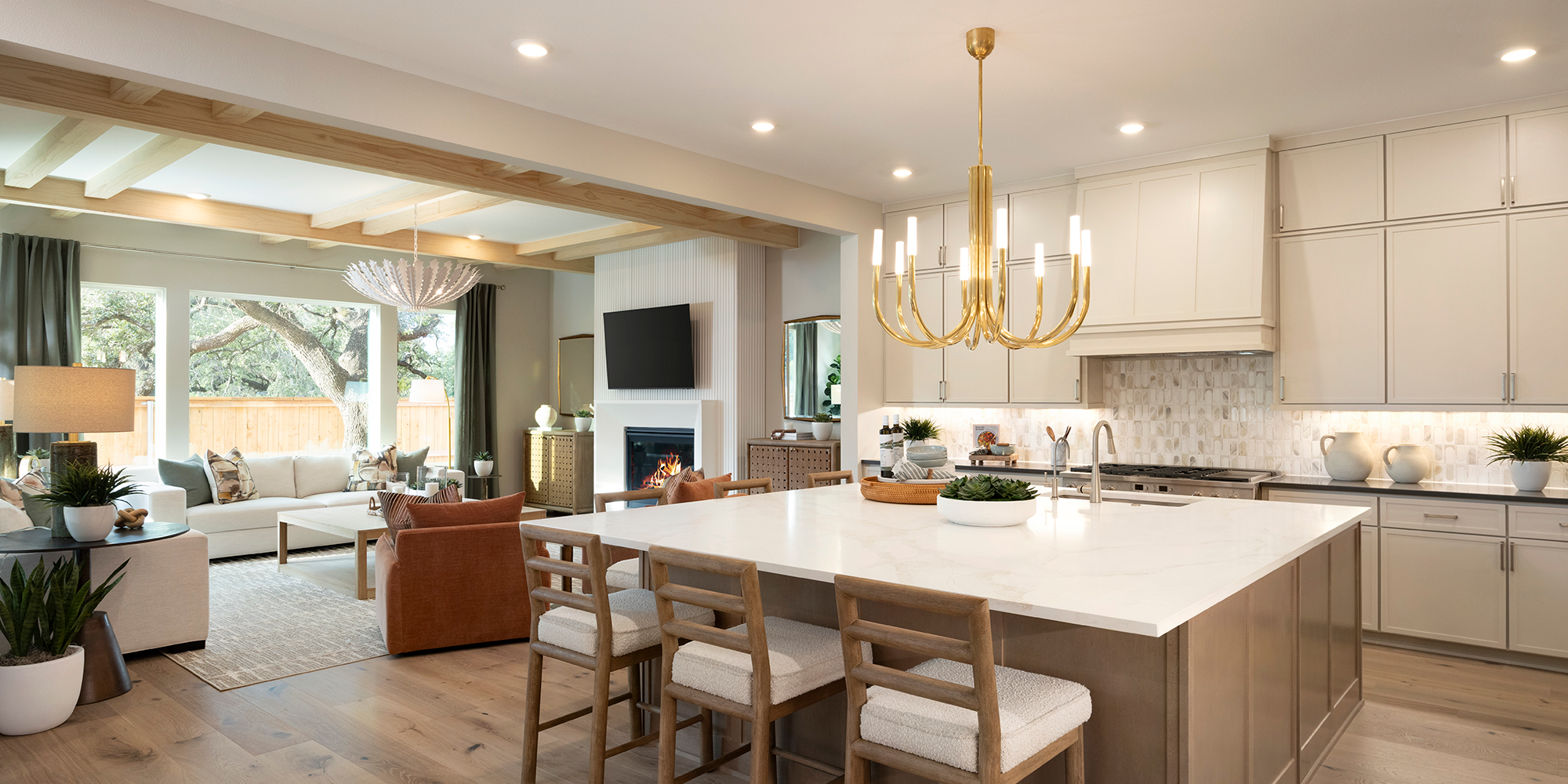
Thoughtful modern home design can reduce small points of friction throughout the day. The right combination of layout, storage, light, technology and indoor-outdoor access should make the home easier to use, not simply more impressive to look at.
Explore available homes and communities to compare floor plans and features that fit your routines. Once you are home, Risewell’s homeowner resources offer practical information for settling in and caring for your space.
Search our neighborhoods, city, or state: