
Work doesn’t look the way it used to, and for many people, that’s a very good thing. Remote work has become the new ideal for building a career with more freedom and less friction. The ability to work from home, skip the commute, and shape your day around your life instead of the other way around has fundamentally changed expectations. And it’s not just preference. Companies are reporting strong gains in productivity and efficiency from remote teams. What started as a pandemic shift has now settled into something more permanent, with the Bureau of Labor Statistics confirming that remote work hasn’t declined, it’s simply become part of the new normal.
If you’re one of the millions working remotely, where you live suddenly matters a lot more and feels a lot more flexible. Those who are no longer anchored to a commute or a specific office city, which opens the door to places that actually match how you want to live.
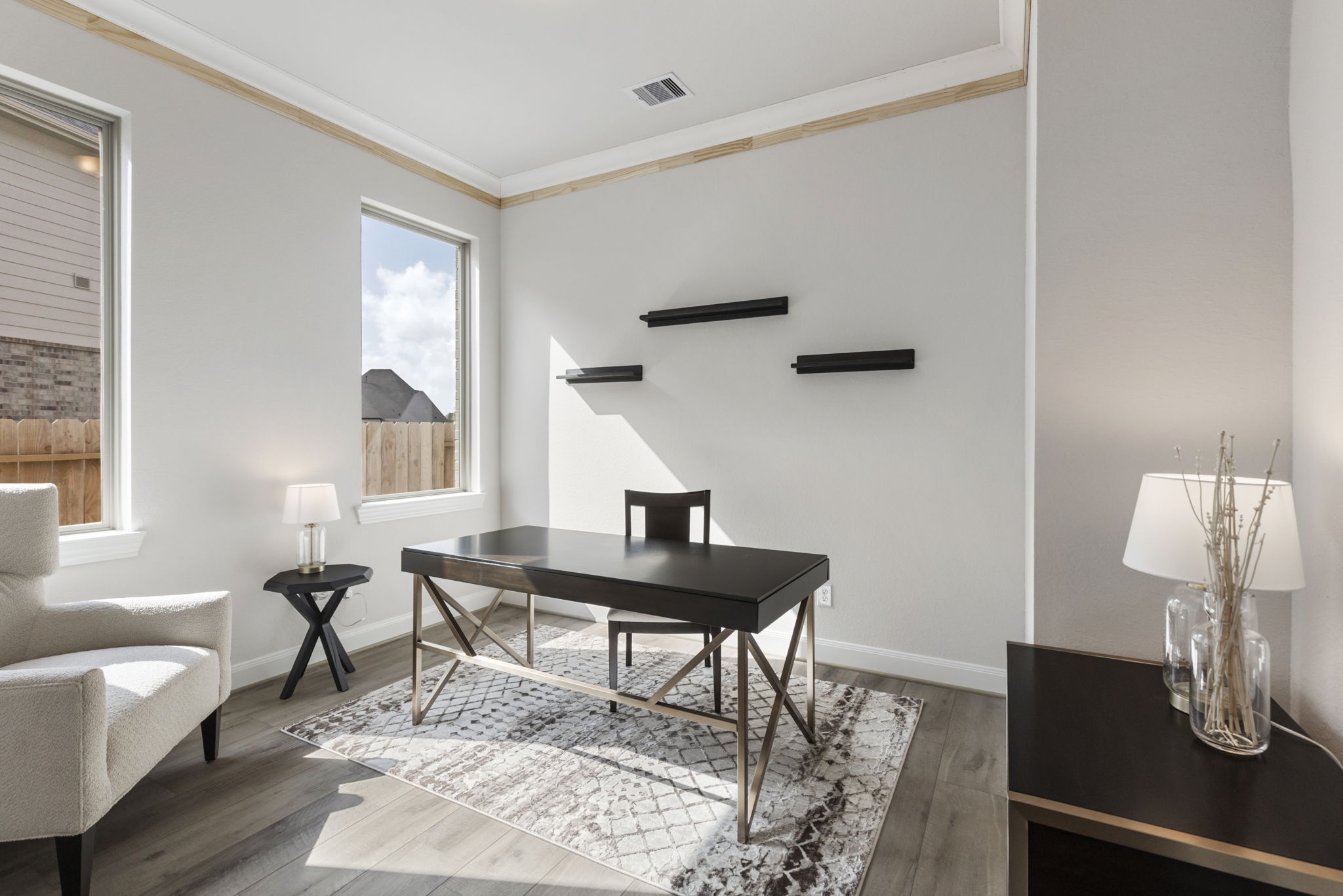
Texas has become among the best places to live for remote workers in the U.S., with nearly one in four workers in cities like Austin working remotely. The Lone Star State is definitely earning its name here, offering plenty of space, opportunity, and lifestyle variety to stretch out in. From Austin to Dallas Fort Worth to Houston, each city brings something different to the table for remote workers ready to rethink where “home base” really is.
A major draw is the absence of state income tax, which can translate into meaningful savings, especially for high-earning remote professionals relocating from coastal markets like California or New York. Pair that with a generally lower cost of living, and the financial case becomes compelling. But it’s not just about money. Texas cities have invested heavily in infrastructure, from expanding fiber internet networks to modernizing transportation and airport systems, making them highly functional for remote work.
What sets Texas apart, though, is the variety. Whether you’re looking for a creative tech hub, a sprawling metro with suburban flexibility, or a diverse city with deep industry roots, there’s a fit here. Here, we’ll take a closer look at three standout cities, Austin, Dallas Fort Worth, and Houston, and what makes each one uniquely appealing for remote workers.

Austin has firmly established itself as one of the leading tech hubs in the country, and that reputation extends naturally to remote workers. The city is packed with co-working spaces, from sleek, design-forward environments to more casual community-driven hubs. High-speed fiber internet is widely available, particularly in central neighborhoods, and reliability continues to improve as the city grows.
Beyond formal workspaces, Austin’s coffee shop culture is a major asset. Spots across the city double as unofficial offices, offering strong Wi-Fi, ample seating, and an atmosphere that balances productivity with creativity. For remote workers who like to change scenery throughout the week, Austin makes it easy.

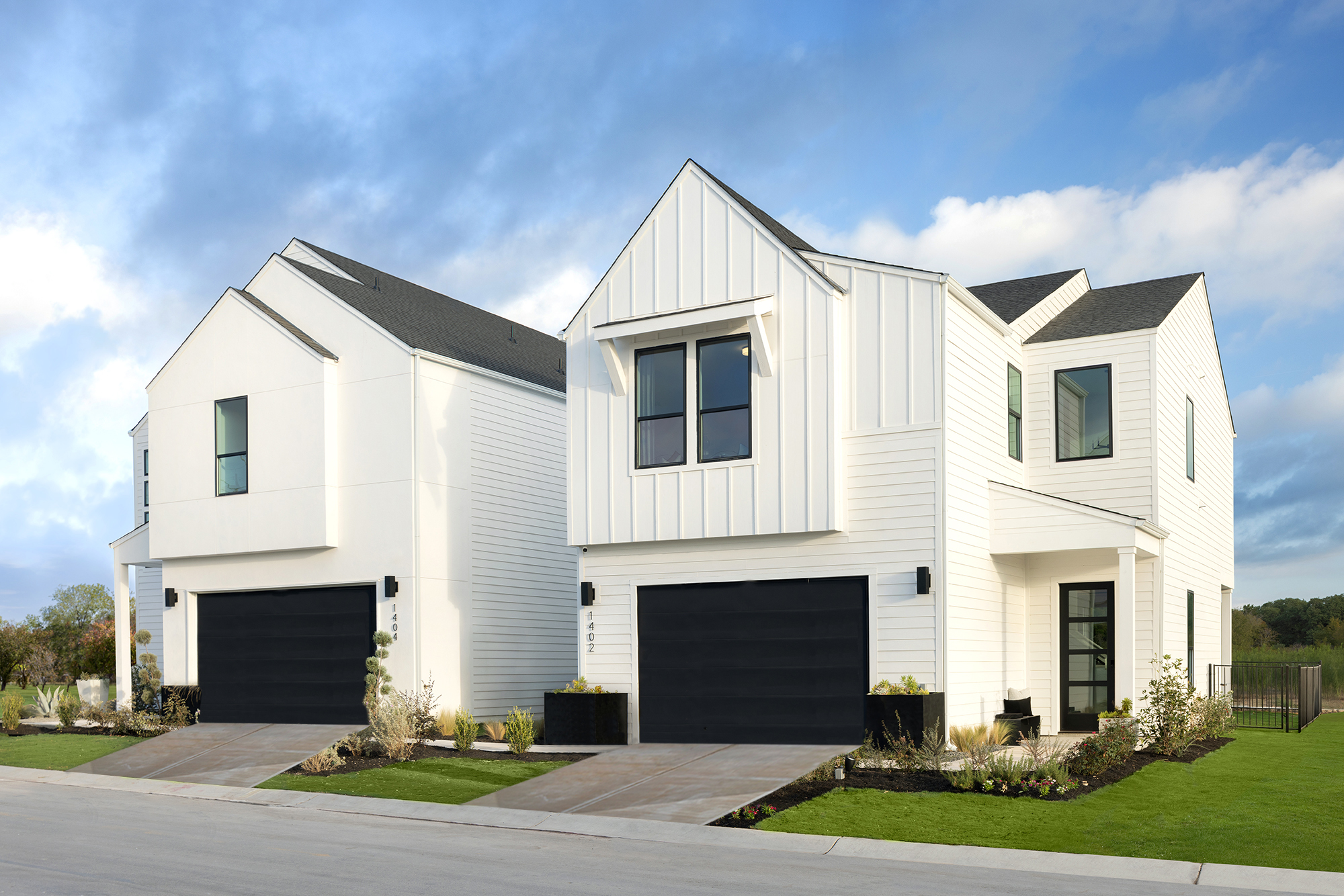
When it comes to cost of living, Austin compares favorably to other major tech cities like San Francisco or Seattle. Although housing prices have risen in recent years, options remain diverse. From modern downtown apartments to single-family homes in surrounding neighborhoods, there’s something for every one and every budget.
For remote workers, this means more flexibility. You can choose to live close to the action or opt for quieter, more affordable areas just outside the city core. Compared to coastal tech hubs, Austin still offers more space for your dollar.
Austin’s lifestyle is a big part of its appeal. Known as the Live Music Capital of the World, the city offers a constant stream of concerts, festivals, and cultural events. Outdoor enthusiasts will find plenty to love as well, from paddleboarding on Lady Bird Lake to hiking the Barton Creek Greenbelt.
The food scene is equally dynamic, blending iconic Texas barbecue with a growing roster of globally inspired restaurants. Add in a strong sense of community and a creative energy that permeates the city, and Austin becomes more than just a place to work—it’s a place to feel inspired.

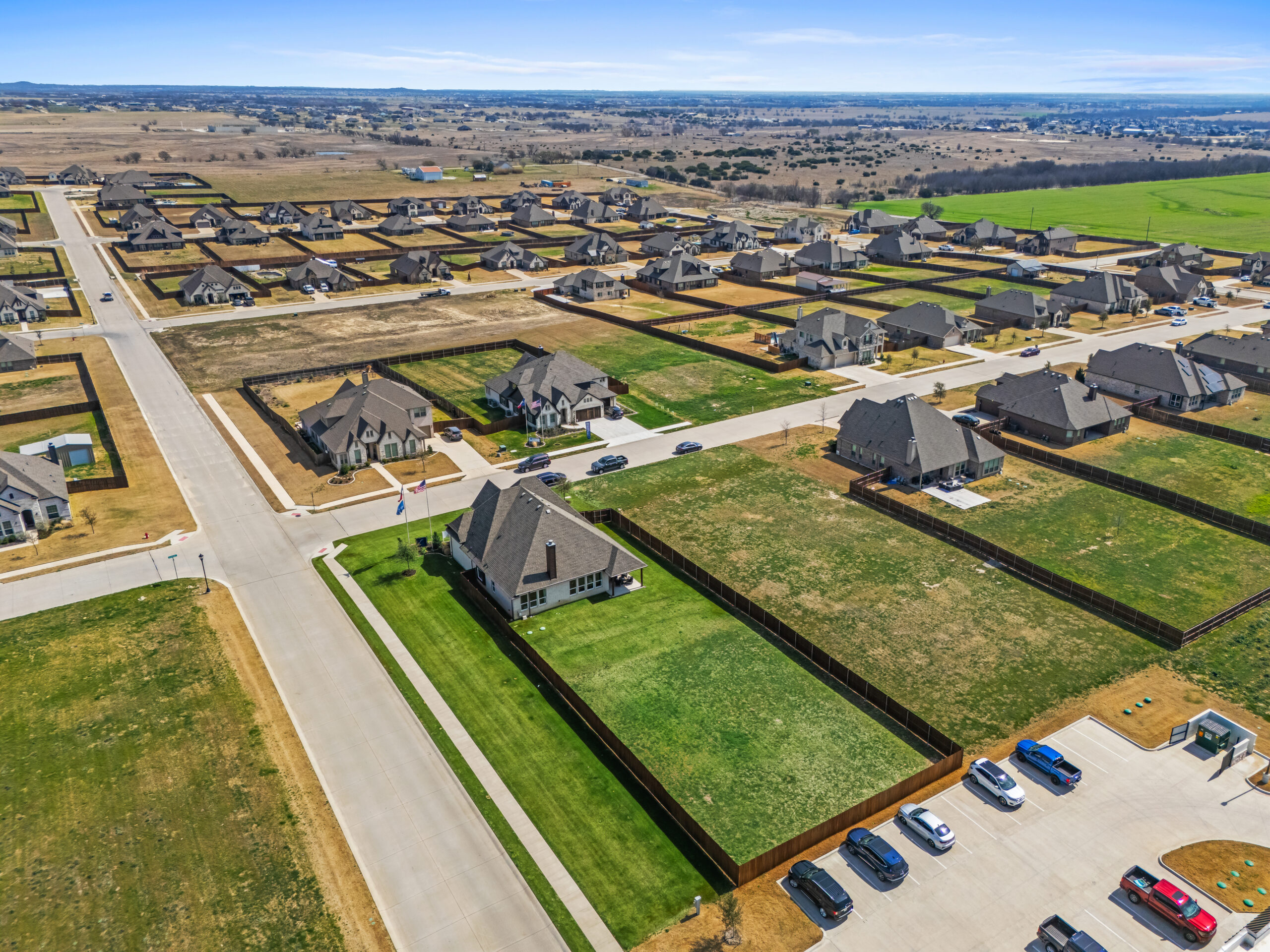
The Dallas-Fort Worth metroplex offers something many remote workers crave: space. Whether you’re looking for a larger home, a dedicated office, or even a backyard, DFW provides options that are harder to find in denser cities.
The region’s size also means a wide range of neighborhoods, from urban high-rises in Dallas to family-friendly suburbs like Plano, Frisco, and Arlington. This diversity allows remote workers to tailor their living situation to their specific needs, whether that’s proximity to dining and nightlife or a quieter residential setting.
For remote workers who travel frequently, Dallas-Fort Worth is hard to beat. Dallas/Fort Worth International Airport is one of the busiest and most connected airports in the world, offering direct flights to destinations across the U.S. and internationally.
This level of connectivity makes it easy to maintain business relationships, attend meetings, or simply explore new places without the hassle of limited flight options. Combined with an extensive highway system, getting around the region is relatively straightforward.
Compared to Austin, Dallas-Fort Worth generally offers stronger value, especially when it comes to housing. You can often find larger homes at lower price points, particularly in suburban areas. This affordability extends to everyday expenses as well, making it easier for remote workers to stretch their income further.
For those balancing work and family life, DFW’s combination of space, amenities, and value is especially appealing.

Houston stands out for its economic diversity. While many cities lean heavily on tech, Houston’s economy spans energy, healthcare, aerospace, and a growing creative sector. For remote workers, this means access to a broad professional network and opportunities across industries.
This diversity also contributes to the city’s resilience and continued growth, making it an attractive long-term choice.

Houston’s scale allows for an impressive range of neighborhoods. If you prefer a walkable, urban environment, areas like Montrose and The Heights offer a mix of culture, dining, and character. If you’re looking for more space, the surrounding suburbs provide larger homes and quieter streets.
This flexibility makes Houston particularly appealing to remote workers at different life stages, from young professionals to growing families.
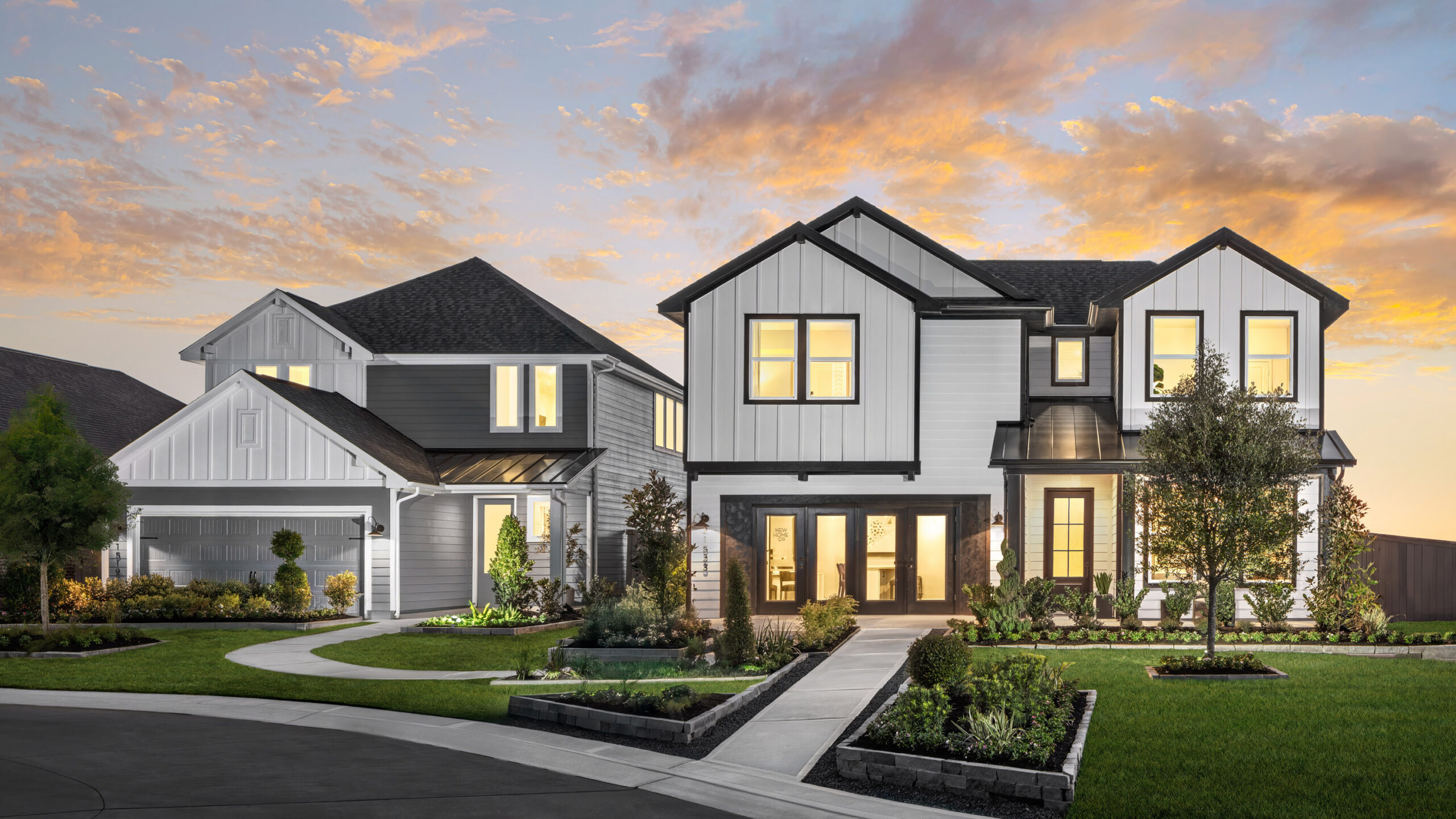
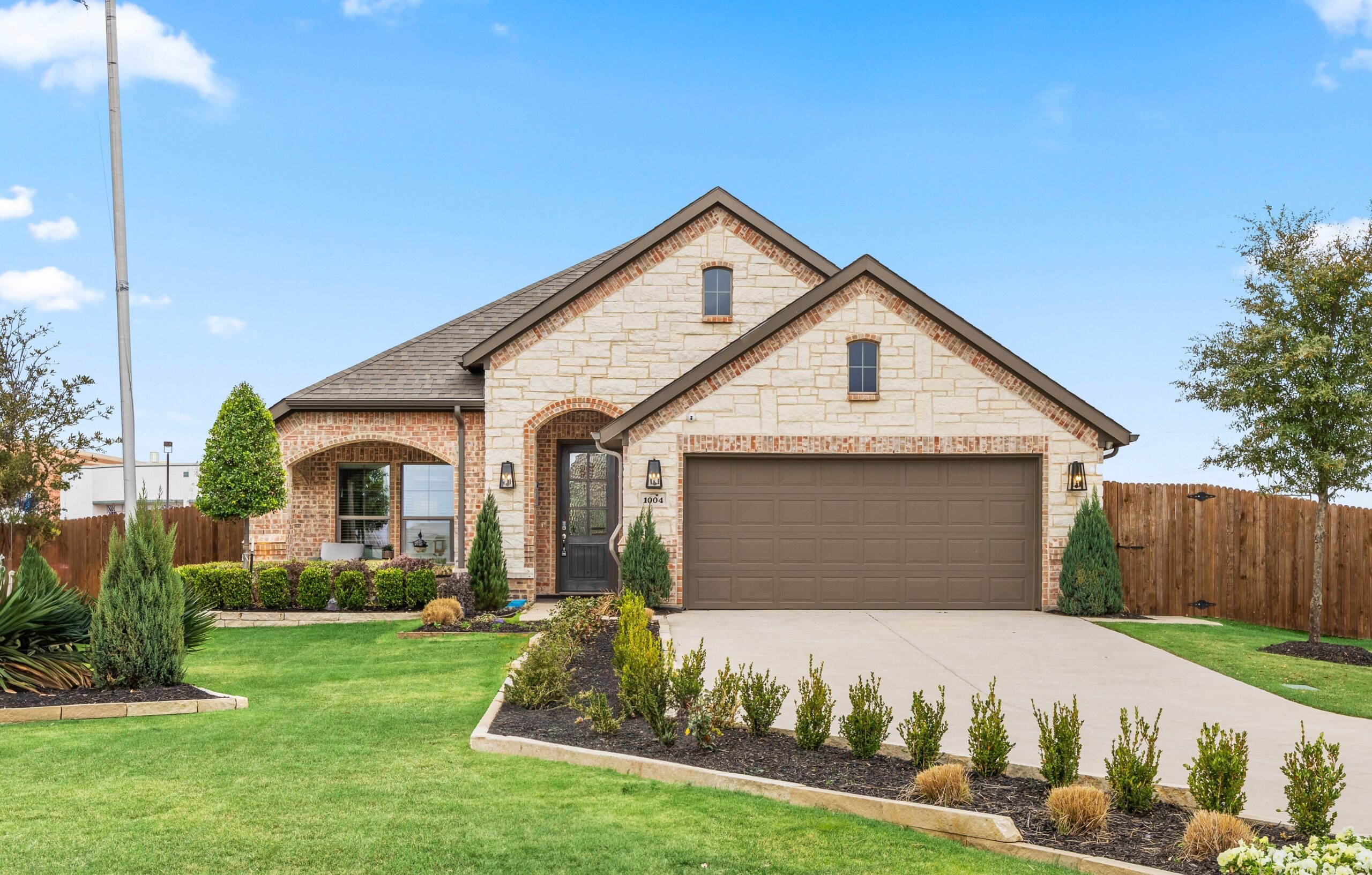
One of Houston’s biggest advantages is its housing value. Compared to many major U.S. cities, you can get significantly more square footage for your budget. This makes it easier to create a comfortable, functional home office setup without compromising on overall living space.
Lower housing costs also free up resources for other priorities, whether that’s travel, savings, or lifestyle upgrades.
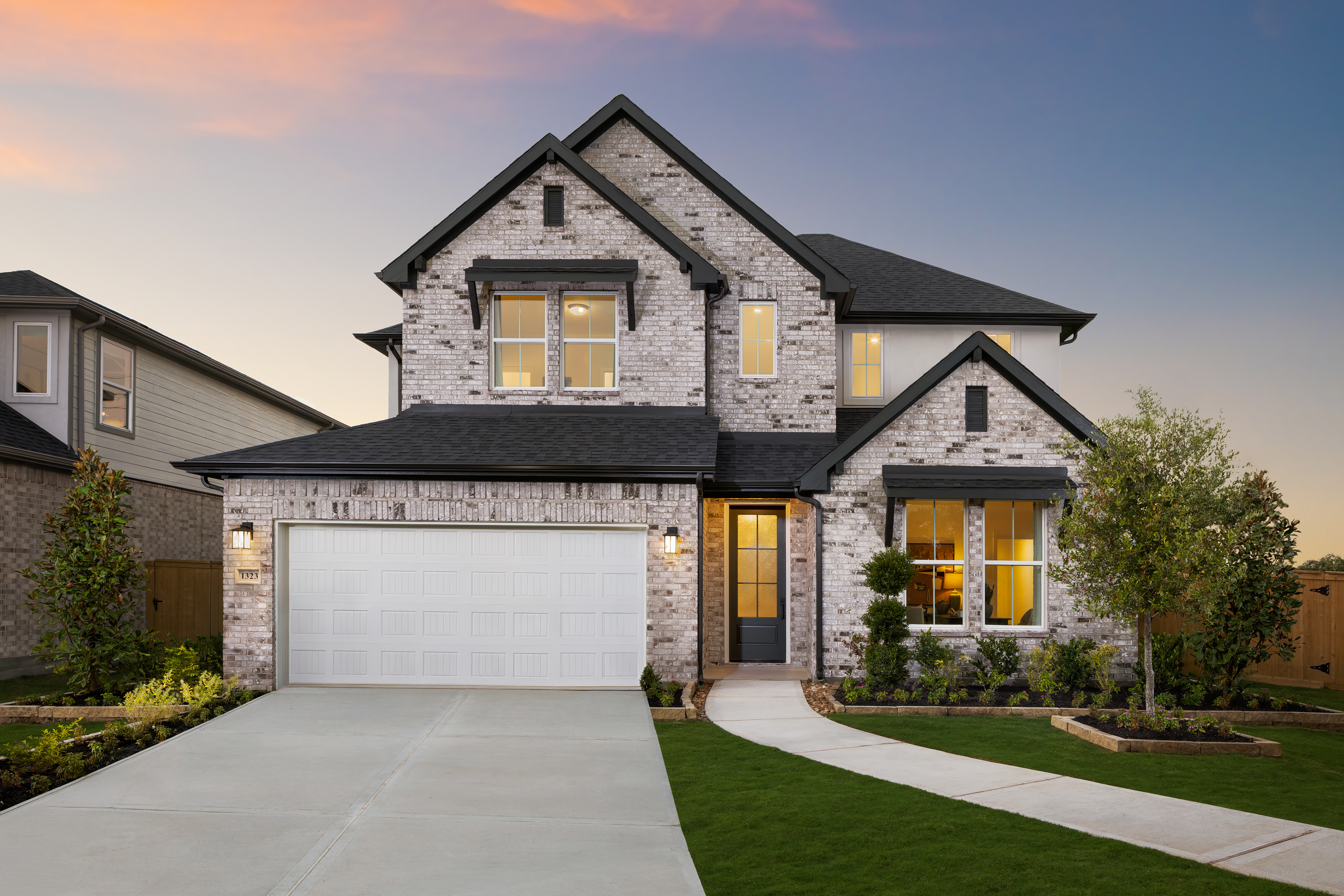
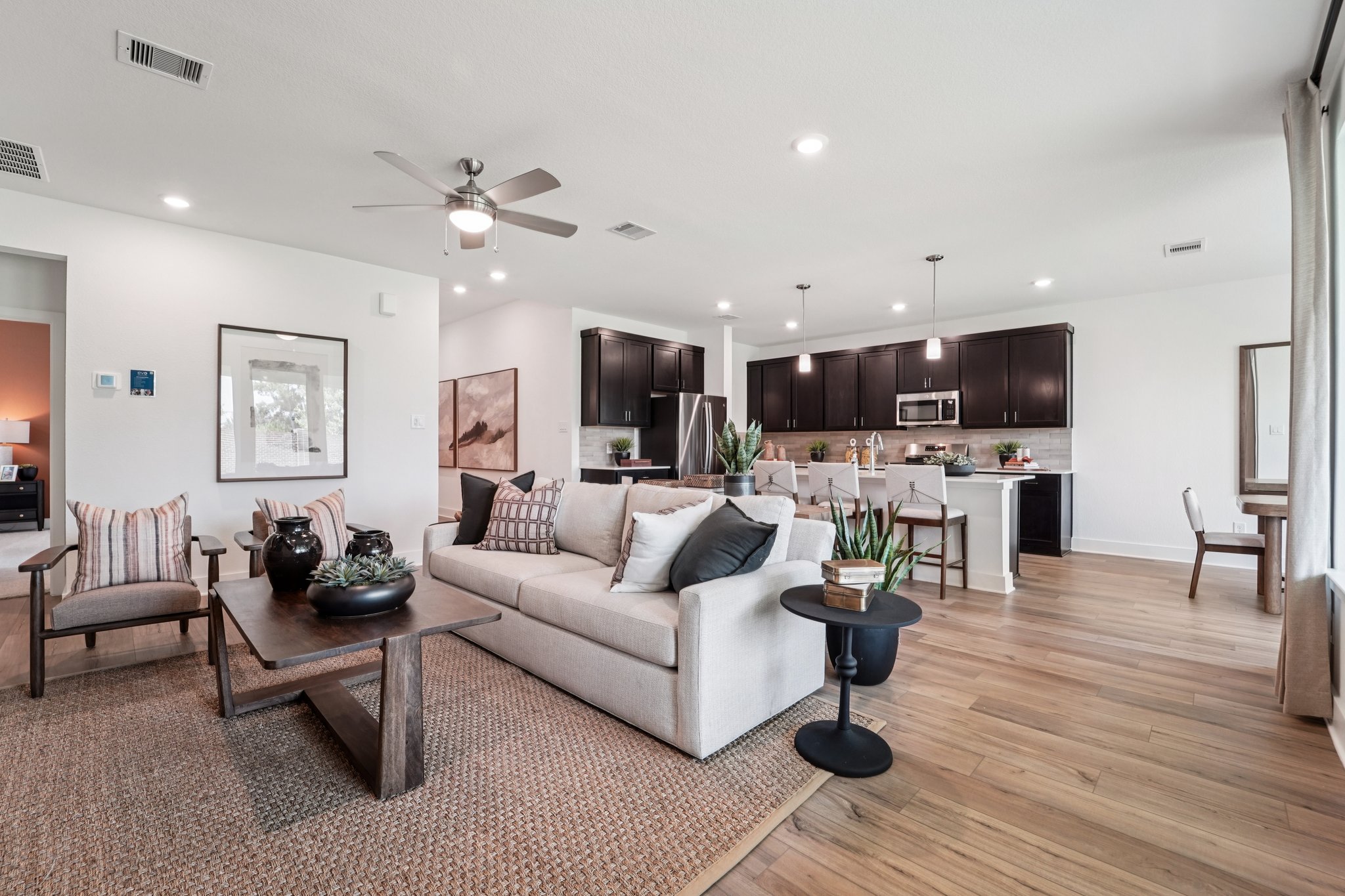
Choosing between Austin, Dallas-Fort Worth, and Houston ultimately comes down to your priorities. If you’re drawn to a vibrant creative scene and don’t mind paying a bit more for it, Austin may be the right fit. If you value space, connectivity, and suburban flexibility, Dallas-Fort Worth offers a balanced option. And if you’re looking for maximum housing value and a diverse, opportunity-rich environment, Houston stands out.
Think about your preferred pace of life, the type of home you want, and the kind of community you’re seeking. Remote work gives you the freedom to choose a place that truly supports how you want to live—not just where you need to be.
Ready to make the move? Explore new homes in Texas with Risewell Homes and find the space that fits your remote lifestyle.
Search our neighborhoods, city, or state: